Ammonites: sea animals in spiral shells, gone for 66 million years.
What ammonites were, how they lived and died out, how they became fossils, where to find them on the Jurassic Coast and how to collect responsibly, the story of Mary Anning, and the snakestone legends. Every fact is linked to its source, and there is a quiz at the end.
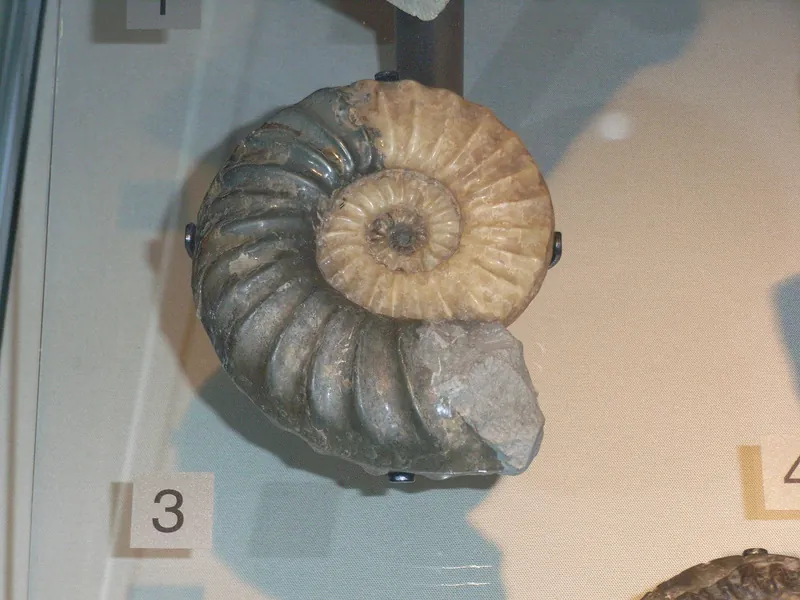
The short version
Ammonites were sea animals with shells: extinct cephalopods, the group that includes today’s squid, octopuses and nautiluses. NHM
Every ammonite had a shell divided into chambers, which it used to float. NHM
The animal lived only in the last chamber, the body chamber. The earlier chambers held gas or fluid, which it could adjust to rise, sink and move, much like a submarine. BGS
Because ammonites were common and evolved fast, much of Europe’s Mesozoic rock has been divided into ‘ammonite zones’. NHM
In England, ammonite fossils were called snakestones, because they look like coiled snakes turned to stone. NHM, snakestones
Sources don’t always agree, for example on how deep ammonites could swim or how big the biggest one was. Where they differ, we show each version side by side.
Explore
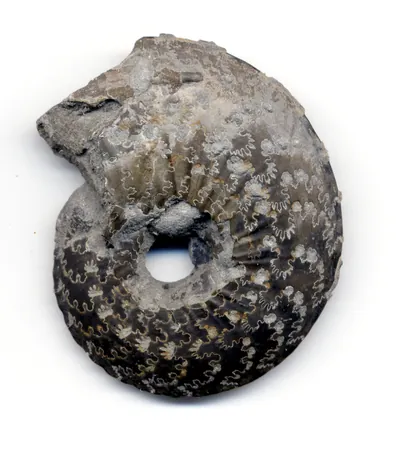 The animalChambers, sutures, arms and jets.
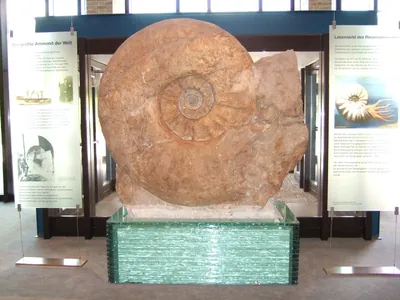 Life and deathFrom 20 mm to 1.8 m, and the asteroid.
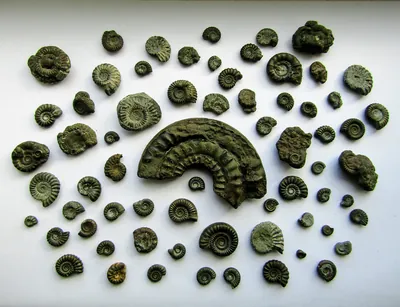 Fossils and timeFool’s gold and ammonite zones.
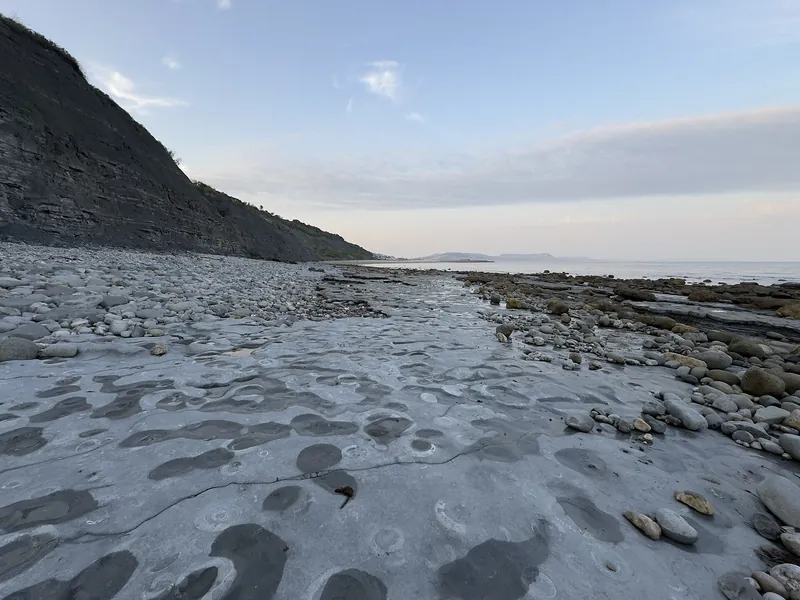
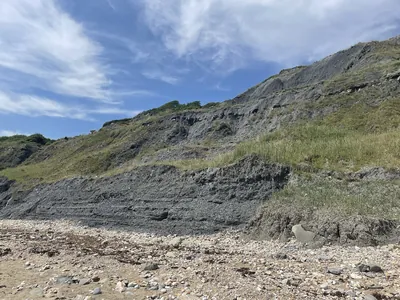 The Jurassic Coast185 million years in 155 km.
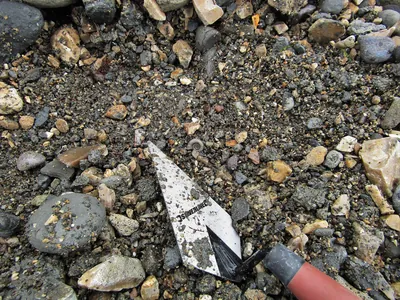 Fossil huntingWhat the codes say, and what to leave.
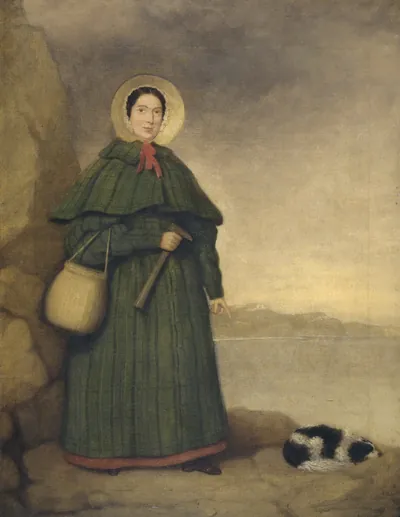 Mary AnningThe fossil hunter of Lyme Regis.
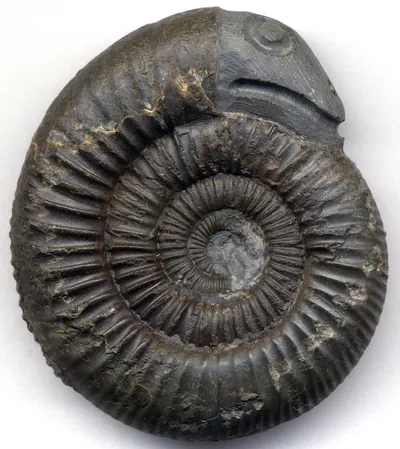 SnakestonesSaints, serpents and carved heads.
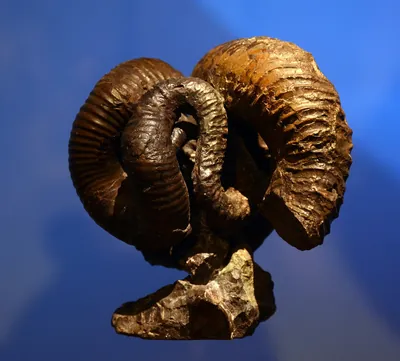 GamesQuiz, myth or fact and the shell sizer.
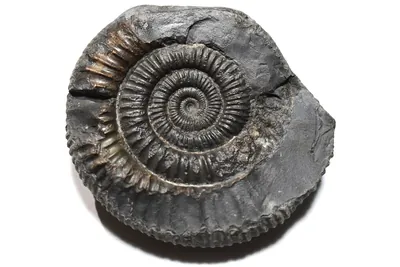 Fact-check logEvery fact checked against its source.
Tile pictures are credited on their pages and on the credits page.
Try the games
A 12-question quiz, a myth-or-fact challenge, and a shell sizer that measures you against the biggest and smallest ammonites.