Picture credits
The drawings are our own. The photos are from Wikimedia Commons, under Creative Commons licences (Attribution, or Attribution-ShareAlike), CC0, or in the public domain.
Photos
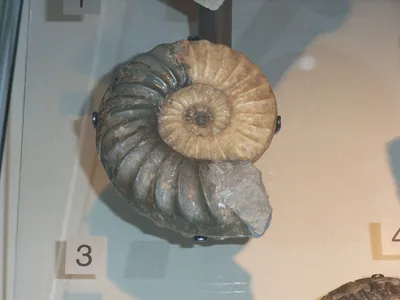 AsterocerasObtusumSowerby.jpg
by Notafly, CC BY-SA 3.0. Cropped and resized; no other changes. Shared here under the same licence.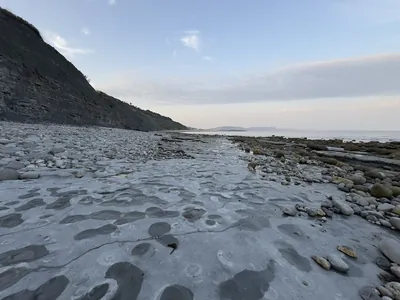
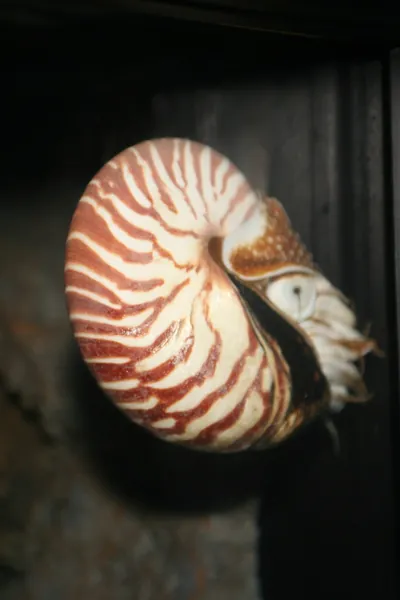 Nautilus (3148923353).jpg
by Cliff (Flickr), Arlington, Virginia, CC BY 2.0. Cropped and resized; no other changes.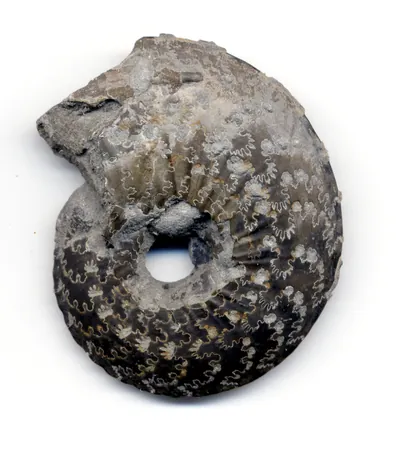
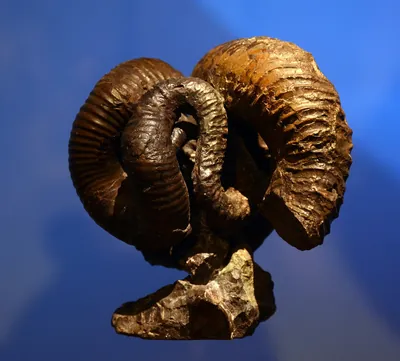 Nipponites mirabilis Musée des Confluences 18 10 2015 1.jpg
by Vassil, CC0. Cropped and resized; no other changes.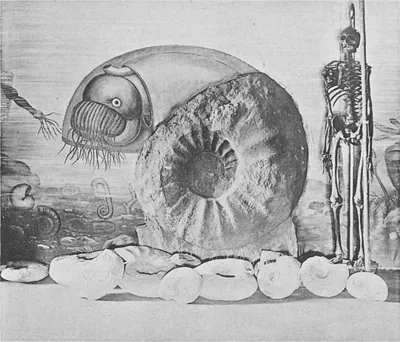 Parapuzosia seppenradensis (Plate I).jpg
by Hermann Landois (1895), Public domain. Cropped and resized; no other changes.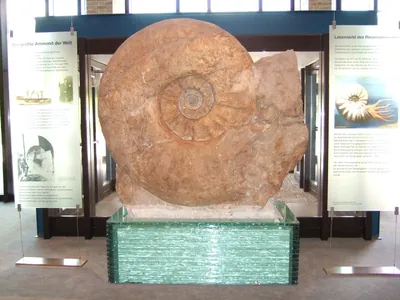 Ammonit Parapuzosia seppenradensis.jpg
by Schuetze1988, CC BY-SA 3.0. Cropped and resized; no other changes. Shared here under the same licence.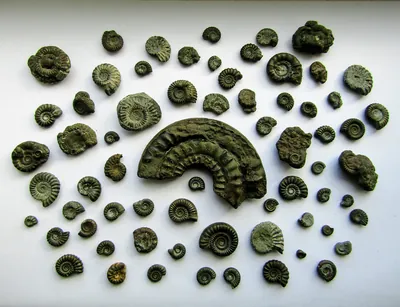 Pyrite Ammonites Found at Charmouth.jpg
by Partonez, CC BY-SA 4.0. Cropped and resized; no other changes. Shared here under the same licence.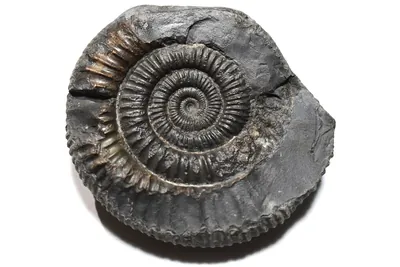 Dactylioceras commune.jpg
by Fred Cherrygarden, CC BY-SA 4.0. Cropped and resized; no other changes. Shared here under the same licence.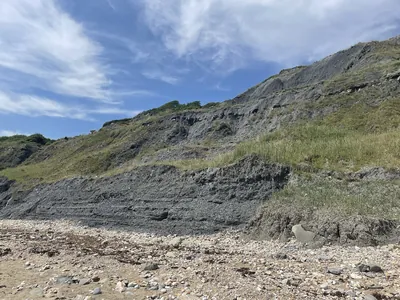 Black Ven.jpg
by LunaEatsTuna, CC BY-SA 4.0. Cropped and resized; no other changes. Shared here under the same licence.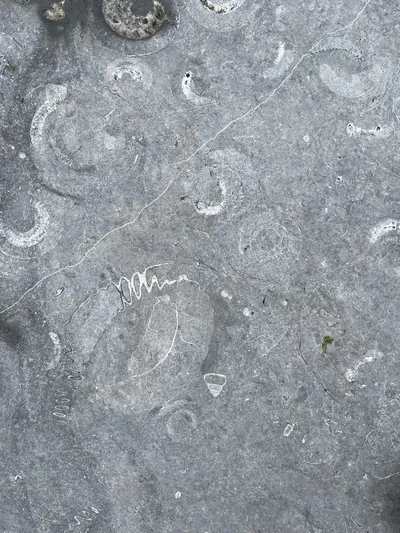 Ammonite pavement 2.jpg
by Rwelean, CC BY-SA 4.0. Cropped and resized; no other changes. Shared here under the same licence.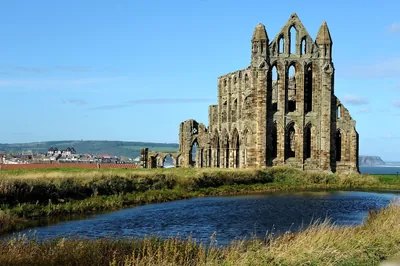 Whitby Abbey (2011.10.19).jpg
by Geir Hval, CC BY-SA 4.0. Cropped and resized; no other changes. Shared here under the same licence.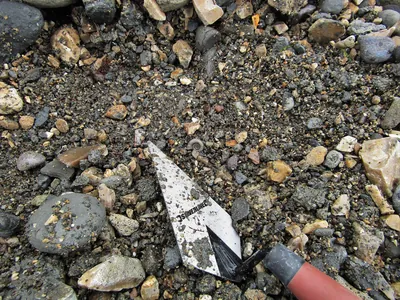 Pyrite Ammonite found below Black Ven (1).jpg
by Partonez, CC BY-SA 4.0. Cropped and resized; no other changes. Shared here under the same licence.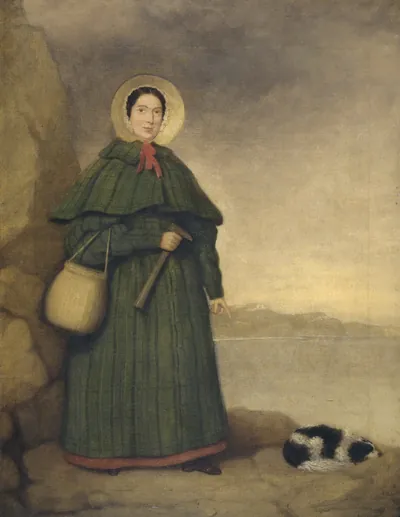 Mary Anning painting.jpg
by Unknown artist, before 1842, Public domain. Cropped and resized; no other changes.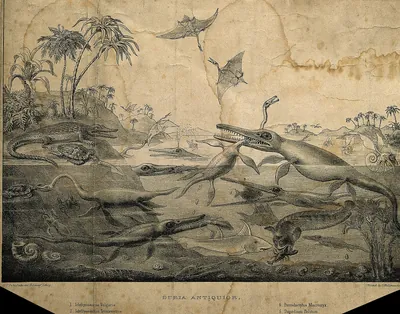 Animals and plants of Dorset in the Liassic period. Wellcome V0001517.jpg
by George Johann Scharf, after Henry De la Beche (Wellcome Collection), CC BY 4.0. Cropped and resized; no other changes.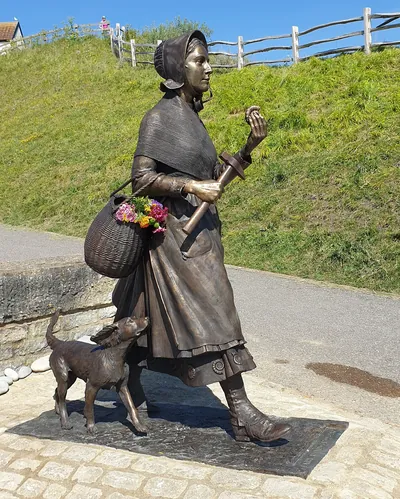 Mary Anning statue (cropped).jpg
by Carbonmoon, CC BY-SA 4.0. Cropped and resized; no other changes. Shared here under the same licence.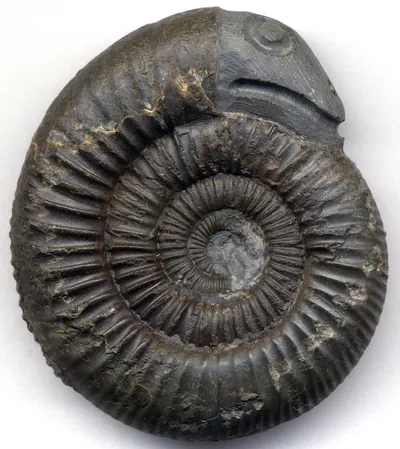 Snakestone (Dactylioceras commune ammonite, Whitby Formation, Lower Jurassic; Yorkshire coast, England) (15240494805).jpg
by James St. John, CC BY 2.0. Cropped and resized; no other changes.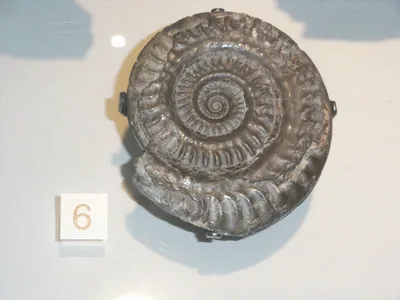 Hildoceras bifrons Bruguière.jpg
by Notafly, CC BY-SA 3.0. Cropped and resized; no other changes. Shared here under the same licence.
Our own drawings
- A drawing of an ammonite cut in half, shown the way up it swam. A spiral shell is divided by curved walls into many chambers, with a dotted tube running through them near the outer edge. The last, largest section is the body chamber, and the soft animal pokes out of the opening at the bottom left, with eight arms, an eye and a short tube underneath. Labels: tube, links the chambers; body chamber, the only part it lived in; chambers, gas or fluid, for floating; septum, seals off an outgrown chamber; whorl, one full turn of the coil; arms, probably eight, none found as fossils; hyponome, pushes out water to swim.
Our own drawing - A timeline from 460 to 60 million years ago with six bars. Ammonoidea first appear about 450 million years ago (NHM). Ammonoid fossils from the Devonian, 419 (Britannica). Goniatite sutures flourish in the Palaeozoic, to 252. Ceratites most common, 252 to 201, in the Triassic. Ammonites in the Jurassic and Cretaceous, about 140 million years (BGS). True ammonites from about 200 (NHM). A red line at 66 million years ago marks the asteroid, when most died out, with a few surviving into the Palaeogene.
Our own drawing - Three wavy lines, one above the other. The first, a goniatite suture, is a simple zigzag. The second, a ceratite suture, has smooth high curves and small wiggles in the low parts. The third, an ammonite suture, is frilly all the way along.
Our own drawing - A to-scale drawing. A shell 1.8 metres across stands on the ground beside a person 1.7 metres tall, slightly taller than them. Two dashed circles around it show 2.5 and 3.5 metres, the size it might have been if complete. At the far right, a dot shows Nannocardioceras, about 20 millimetres across.
Our own drawing - A simple map of the coast from Axmouth in Devon east to Burton Bradstock in Dorset. Lyme Regis, Black Ven, Charmouth and Golden Cap are marked. Monmouth Beach and the ammonite pavement are just west of Lyme Regis. A brown line marks the Undercliffs National Nature Reserve, about 6 miles from Axmouth to Lyme Regis. A green line marks the West Dorset Fossil Collecting Code area, from Lyme Regis to Hive Beach at Burton Bradstock. A box notes that the whole Jurassic Coast is 155 km in eight sections.
Our own drawing - Four panels. One: an ammonite shell lies on the sea floor. Two: it is quickly buried under mud. Three: layers of rock build up above it and the shell has turned golden, filled or replaced by minerals. Four: a cliff by the sea has worn away and the fossil lies on the beach.
Our own drawing
The drawings are simplified teaching drawings, not to scale, made from the sourced descriptions on this site. Useless the eraser is the network’s own mascot. Fonts: Bricolage Grotesque, Newsreader and Kalam (SIL Open Font Licence), served from this site.