185 million years in 155 kilometres
England’s World Heritage coast, and some of the best ammonite beaches anywhere.
How this site works. Every fact is in our own words and linked to its source, beside it. Where good sources disagree, we show each version in a “Sources differ” box.
A World Heritage Site
The Dorset and East Devon Coast, the Jurassic Coast, is a UNESCO World Heritage Site of eight sections along 155 km of coast. UNESCO
Its cliffs show an almost unbroken run of Triassic, Jurassic and Cretaceous rocks covering about 185 million years of Earth’s history. UNESCO
It was inscribed as a World Heritage Site in 2001. UNESCO
The coast has been studied by scientists for more than 300 years. UNESCO
Fast erosion keeps the rock faces fresh and keeps the coast producing new fossils. UNESCO
Lyme Regis and West Dorset
The West Dorset coast has one of the finest exposures of Lower and Middle Jurassic rocks anywhere in the world. West Dorset Code
High erosion, especially in winter, keeps the beaches supplied with fossils. West Dorset Code
Natural England has made this coast a Site of Special Scientific Interest for its geology, fossils and landslides. West Dorset Code
Lyme Regis is known for a near-complete Jurassic ammonite zonation, and for the marine reptile fossils first collected by Mary Anning. IUGS
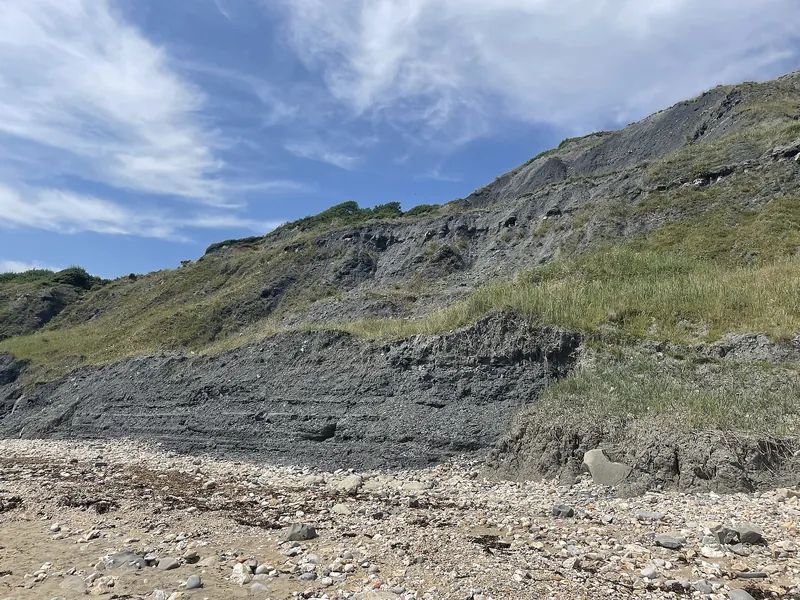
Monmouth Beach and the ammonite pavement
Monmouth Beach, to the west of the Cobb at Lyme Regis, is popular with fossil hunters. Ammonites, belemnites, fossil plants and even ichthyosaur vertebrae have been found there. Visit Dorset
Its cliffs are said to date from 189 to 199 million years ago, from the Early Jurassic, when warm seas covered most of the UK. Visit Dorset
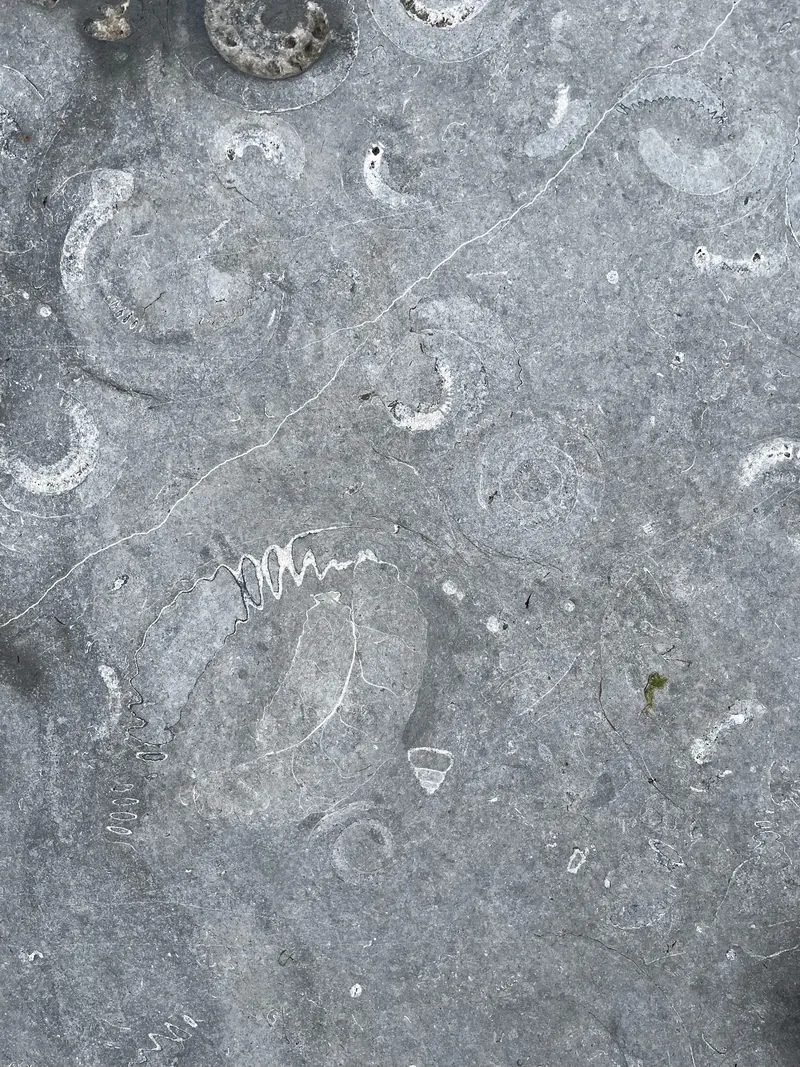
At low tide, a limestone layer at the far end of the beach, the ammonite graveyard or pavement, shows hundreds of large ammonites in the bedrock and boulders. Visit Dorset
Monmouth Beach is the way into the Axmouth to Lyme Regis Undercliffs National Nature Reserve, about 6 miles of landslipped undercliffs between Devon and Dorset. Undercliffs Code
But visible water-worn ammonites, especially on Monmouth Beach, must be left, and the ammonite pavement must not be damaged. Undercliffs Code
Beyond Dorset
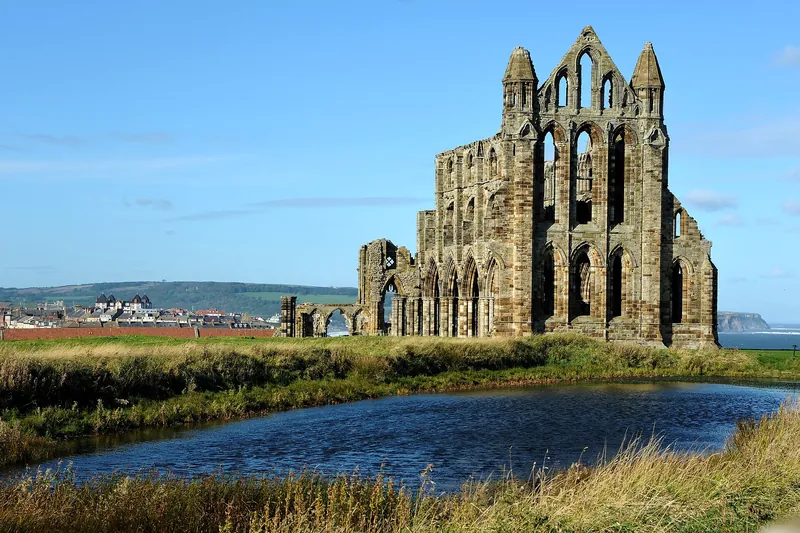
The shore and cliffs at Lyme Regis and at Whitby in Yorkshire are famous places for collecting ammonites. BGS
The Natural History Museum names Lyme Regis in Dorset and Runswick Bay in Yorkshire as good places to find ammonites, in rocks about 201 to 66 million years old. NHM, fossil sites
On the Isle of Wight, Watershoot Bay near St Catherine’s Lighthouse has Late Cretaceous rocks about 95 to 99 million years old, good for ammonites, bivalves and brachiopods. NHM, beach guide
Before you go, read our fossil hunting page for what the local codes ask.
Next: fossil hunting →